
Water damage service · Lancaster, CA
Sewage Cleanup in Lancaster, CA
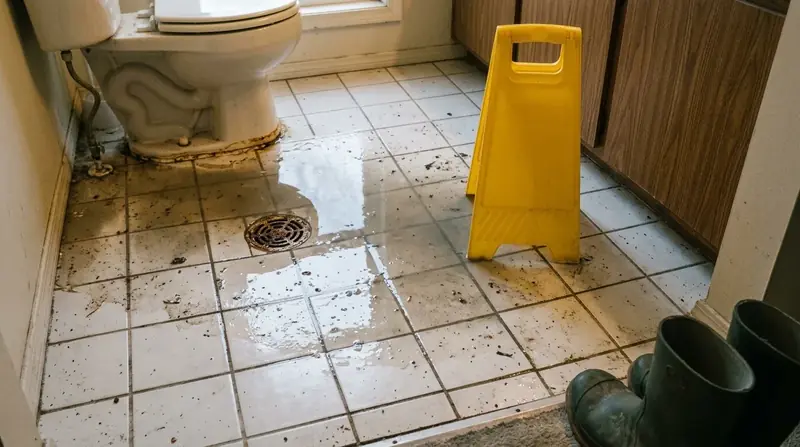
Sewage in the house is a health problem, not just a wet floor. Stop using the water, keep people and pets away, and call (661) 592-2877 to be connected with an independent restoration company that serves your area.
- Free callYou pay this site nothing
- Line open 24/7Calls answered day and night
- No obligationGet an estimate, then decide
- Lancaster, CAZIP 93534 · 93535 · 93536
- License check guideHow to look up a CSLB license
Free referral service, not a contractor. You are connected with an independent restoration company. How this works
Sewage is backing up into the house. What do you do right now?
Stop putting water down the drains, and keep everyone away from the wet area. Then call for help with the source and the cleanup.
- Don't flush toilets or run water. Every flush or load of laundry can push more sewage out of the lowest drain.
- Keep children and pets away from the wet rooms.
- Stay out of the water if outlets or cords are wet. Turn off the breaker for that area only if you can reach the panel without standing in water.
- Wear rubber gloves and boots if you must touch anything. Never touch sewage with bare hands, and wash your hands right after.
- Take photos and video of the water, the drain it came from, and damaged items.
- Call a plumber to clear the line, and a restoration company for the cleanup.
Most of these steps follow a sewage back-up fact sheet from the Connecticut Department of Public Health (2008). It also says to turn off the power if water could reach wires or outlets.
Sewage on the floor right now? Call (661) 592-2877.
Is sewage water dangerous?
Yes. Sewage carries bacteria, viruses and other germs that can make people sick.
The Connecticut health department fact sheet says the most common illnesses are stomach upset and skin rashes or infections. The risk grows the longer sewage stays in contact with the house. If you get sick to your stomach after contact with sewage, call your doctor.
Health guides also say children, pregnant people and anyone with a weak immune system should stay out of the cleanup (New York City Emergency Management; Windsor-Essex County Health Unit).
What is Category 3 water?
Category 3 is the most contaminated type of water in a house. It is often called black water.
The IICRC is the industry body that writes cleaning and restoration standards. Its water damage standard, IICRC S500, sorts water into three categories:
- Category 1: clean water, such as a broken supply line.
- Category 2: gray water, such as washing machine discharge.
- Category 3: grossly unsanitary water, such as sewage or floodwater.
Gray water can turn into black water if it sits. How fast depends on time and temperature. UC Riverside's water damage plan (2021), which uses the S500 categories, says gray water left untreated for more than 48 hours may become Category 3.
Is a toilet overflow Category 3?
It depends on where the water came from and what was in it. Some toilet overflows are Category 1, some are Category 2, and a backup from the sewer line is Category 3.
UC Riverside's plan gives these examples. So does a 2022 S500 training summary from the National Air Duct Cleaners Association.
- Clean tank or bowl water with no waste in it can be Category 1.
- A bowl overflow with some urine but no feces is Category 2.
- A backflow from beyond the toilet trap, meaning from the drain line, is treated as black water. That is true even if the water looks clear.
So a clogged toilet that overflows once is not the same as sewage coming up through the toilet from the main line. If your insurer and your restoration company disagree on the category, ask each of them to explain why in writing. Photos of the source help settle it.
What does sewage cleanup involve?
Sewage cleanup removes the waste, takes out what can't be cleaned, disinfects what stays, and dries the area. It takes more care than a clean-water job.
The steps usually go in this order:
- Source first. A plumber clears the blockage or fixes the line, so no more sewage comes in.
- Containment. The crew seals off the work area with plastic sheeting. That keeps germs and dust from spreading to clean rooms.
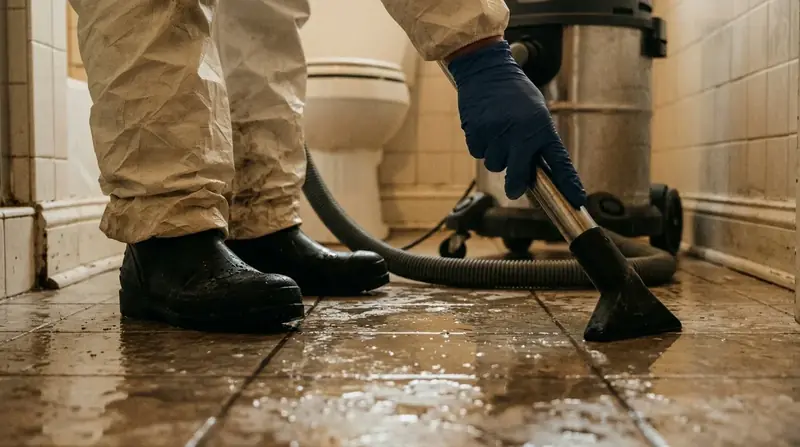
- Protective gear. Workers wear gloves, boots, eye protection and often respirators.
- Water removal. Pumps and extractors take out the sewage.
- Removal of porous materials. Soaked carpet, pad and the lower part of drywall usually come out.
- Cleaning and antimicrobial treatment. Hard surfaces are scrubbed. Then an antimicrobial, a product that kills germs, is applied.
- Drying. Fans and dehumidifiers run until moisture readings show the materials are dry.
- Rebuild. New drywall, flooring and trim go in after the area is clean and dry. See water damage repair.
Ask the company which steps it will do and to put them in a written estimate before work starts. Our page on how this site works lists more questions to ask.
What has to be thrown away after a sewage backup?
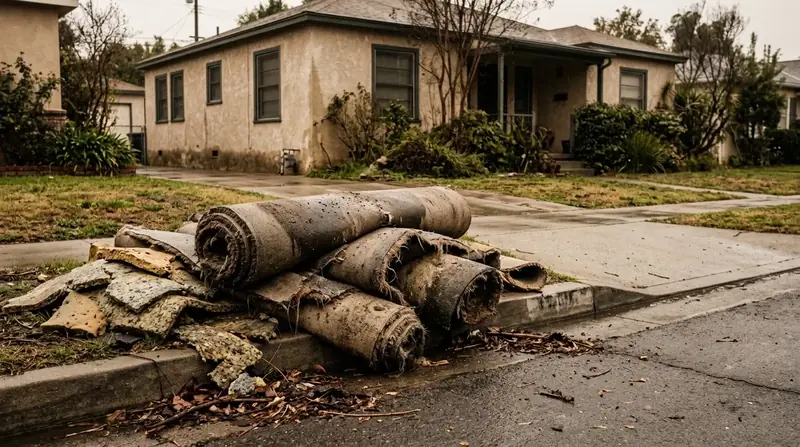
Most soft, porous things that sewage soaked into have to go. Hard surfaces can usually be cleaned and disinfected.
Porous items soak up germs where cleaning can't reach. The Connecticut health department fact sheet lists these for disposal:
- wall-to-wall carpet and carpet pad
- mattresses, pillows and stuffed toys
- upholstered furniture
- books and paper
- drywall the sewage reached, cut out several inches above the water line
Hard surfaces such as tile and ceramic can usually be dried, disinfected and saved. Photograph everything before it goes out, and make a list for your insurer.
Can you clean up a sewage backup yourself?
A very small, fresh spill on a hard floor is sometimes a do-it-yourself job. Most sewage backups are better left to a restoration company.
The Connecticut health department fact sheet lists cases where hiring a professional makes more sense:
- sewage has been in a finished living space for more than 24 hours
- sewage got into heating or air conditioning ducts
- the job is too large for you to handle safely
- insurance will pay for the work
If you do clean a small spill, wear gloves, boots and eye protection. Never mix bleach with ammonia. Together they make a toxic gas.
What if your home is on a septic system?
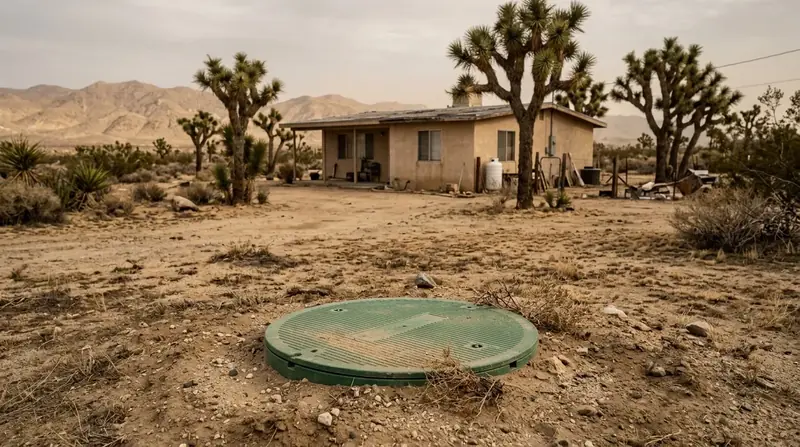
Call your local health department for advice on the waste, and a septic company to check the tank. Then handle the cleanup inside the same way as a sewer backup.
The City of Lancaster runs a sewer district for homes inside city limits. Some rural homes outside the city, such as around Antelope Acres, may use septic tanks instead. We don't have a count of how many. If you aren't sure, check your property records or ask the septic company.
A septic tank can back up when it fills with solids or when the drain field is soaked and can't take more water, for example after heavy rain. The EPA says to use as little water as you can until it is fixed. It also says pumping a tank while the soil is still soaked can damage the tank, so ask the septic company about timing.
Does insurance cover sewage backup?
Often not under a standard homeowners policy. Many insurers sell a separate sewer backup endorsement, an add-on that covers this kind of damage. Check your own policy.
The Insurance Information Institute says some policies cover sewer and drain backups, but many do not. It says you can buy a sewer backup rider for homeowners or renters coverage. MoneyGeek's guide (updated October 2026) also names the sewer backup endorsement as the add-on that can cover it. Policies differ, so read the exclusions section of yours or ask your agent.
A few more things to know:
- Floodwater is different. Surface flooding from a storm is usually a flood policy question. See flood damage restoration.
- A plumbing failure inside the house may be treated differently from a city sewer backup. The cause matters to the insurer.
- You can get a copy of your policy. The California Department of Insurance says your insurer must send it free within 30 days of your request.
For the claim steps, see water damage insurance claims in California.
Renters, landlords and condos
Who pays depends on what failed and who is responsible for it. That is often the landlord, the HOA or the owner of the unit the water came from.
If you rent, tell your landlord or property manager right away, in writing. Renters insurance usually covers your own belongings, not the building. In a condo, a backup from a shared line may fall under the HOA's rules. See who pays for water damage.
Central Lancaster has many renters. In ZIP code 93534, 62.7% of homes are renter-occupied (U.S. Census Bureau, ACS 2020–2024). See water damage help in central Lancaster.
How much does sewage cleanup cost?
There is no reliable published price for sewage cleanup in Lancaster. The cost depends on how far the sewage spread, how long it sat, and what has to be removed.
The main things that raise the price:
- Size of the area and how many rooms the water reached.
- Time. Sewage that sat for days soaks deeper into floors and walls.
- Materials removed. Carpet, pad, drywall and cabinets add removal and rebuild costs.
- Containment and protective gear, which clean-water jobs often don't need.
- Drying days, since the equipment is billed by the day.
Ask for a written, itemized estimate before work starts. For general price ranges, see the water damage restoration cost guide.
What happens after the sewage is cleaned up?
The area has to dry fully, and damaged materials are replaced. If anything stays wet too long, mold can follow.
The EPA advises drying water-damaged materials within 24 to 48 hours to prevent mold growth. If you smell a musty odor or see spots after the cleanup, see mold remediation. If clean water is still standing somewhere else in the house, see emergency water removal.
Get help with sewage cleanup in Lancaster
Stop using the water and keep everyone away from the wet area. Then call (661) 592-2877 to be connected with a restoration company that serves your area. Ask for a written estimate before work starts.
Lancaster Water Damage Restoration is a free referral service, not a contractor. When you call, you're connected with an independent restoration company that serves your area. Your call may first be answered by a screening call center. That company gives you its own estimate, contract and license details. Check them before you sign anything.
The call is free. Calls are answered 24 hours a day, 7 days a week.
Water in your Lancaster home right now?
Shut off the main water valve, then call. You will be connected with an independent restoration company that serves your area.
Free call · referral service, not a contractor