
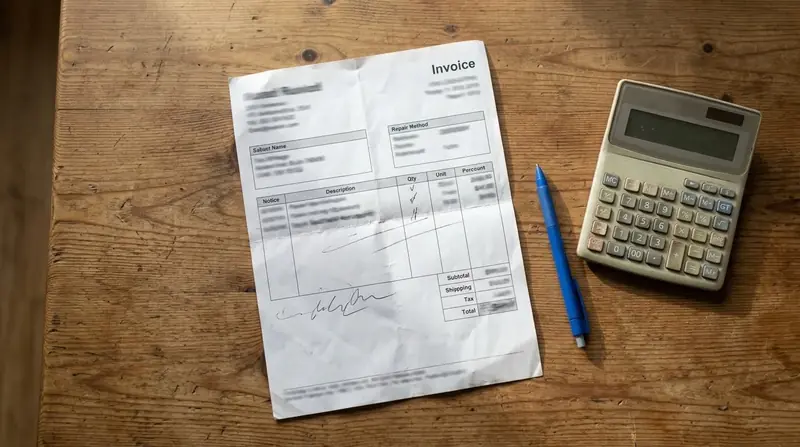
Lancaster, CA
Is a Water Damage Claim Worth Filing?
It's usually worth filing when the covered damage costs well over your deductible. It's often not worth it when the bill is close to the deductible. This guide shows the math, the hidden costs of a claim, and the cash option.
- Free callYou pay this site nothing
- Line open 24/7Calls answered day and night
- No obligationGet an estimate, then decide
- Lancaster, CAZIP 93534 · 93535 · 93536
- License check guideHow to look up a CSLB license
Free referral service, not a contractor. You are connected with an independent restoration company. How this works
How do you decide if a water damage claim is worth it?
Compare the likely cost of the damage with your deductible. If the covered part is only a little more than your deductible, paying cash is often the better choice.
Your deductible is the part of a covered loss you pay yourself. The insurer pays the covered amount above it, up to your limits. If the damage costs less than your deductible, the insurer generally isn't required to pay, the California Department of Insurance says.
Ask yourself four questions:
- Is the damage likely covered? Sudden leaks usually are. Slow leaks and floods usually aren't.
- What will the full job cost, including drying and repairs?
- How much is left after your deductible?
- Is that amount worth a claim on your record for years?
Get a written estimate first. You can't do the math without a real number.
What does the deductible math look like?
Subtract your deductible from the covered cost. What's left is roughly what a claim could pay. The examples below use made-up round numbers to show the math. They are not price quotes.
| Example | Covered cost | Deductible | Rough amount a claim could pay |
|---|---|---|---|
| Small leak under a sink | $1,800 | $1,000 | about $800 |
| Water heater burst in the garage | $4,000 | $1,000 | about $3,000 |
| Supply line under a bathroom | $3,000 | $2,500 | about $500 |
| Slab leak with flooring and drywall | $15,000 | $2,500 | about $12,500 |
In the third row, a claim pays only $500. Many people would pay that job themselves. In the last row, paying cash means covering $12,500 more on your own.
Real claims are less tidy. The insurer may not pay for every line item. It may pay for the water damage but not the broken pipe. Your policy may also have a separate, higher deductible for some losses.
What about a big mitigation quote and a high deductible?
Get the quote in writing, then decide. One homeowner on Reddit reported a $15,000 mitigation quote with a $2,500 deductible. Another reported an $8,500 quote for mitigation and demolition. Those are self-reported numbers, not typical prices.
Mitigation means removing water and drying the house to stop more damage. At that size, the deductible is a small part of the bill. A claim often makes sense, if the damage is covered.
Some people ask to do part of the work themselves to save money. Ask your insurer first. Ask how it would treat work you do, and what records it needs.
Small condo ceiling leak and a $1,000 deductible?
It depends on who is responsible and how big the repair is. In a condo, the HOA's master policy may cover some parts of the building. A neighbor's policy may also be involved if the water came from their unit.
Ask your HOA which parts its policy covers. Then get a repair estimate before you decide. Read more in who pays for water damage.
What is a CLUE report, and does one call put a claim on it?
A CLUE report is a history of insurance claims on you and your property. LexisNexis, a consumer reporting company, produces it. Insurers use it to decide whether to offer coverage and what to charge.
The Washington State insurance regulator explains how it works:
- A CLUE report generally holds up to seven years of property claims.
- You can get a free copy under the Fair Credit Reporting Act.
- LexisNexis advises insurers not to report a call that only asks about coverage or your deductible.
- If an insurer opens, denies or pays a claim, it reports it.
So a claim that pays nothing can still show up. A simple question about coverage usually should not. Before you call, decide if you are asking a question or reporting a loss. Tell the insurer which one it is.
If your report has a mistake, you can dispute it with LexisNexis. It checks with the insurer and tells you the result within 30 days, the regulator says.
Can you pay cash instead of filing a claim?
Yes. You can pay a restoration company yourself and never file a claim. Some companies offer cash pricing for owners who don't want to file. One review in a sample of Antelope Valley Google reviews we read praised this.
If you pay cash:
- Get a written estimate before work starts.
- Ask for an itemized bill that matches the work done.
- Keep photos, the bill and the drying records.
- Pay the plumber and the restoration company separately, if they are separate.
Keep your records even if you don't file. If more damage shows up later, they show what happened and when. Read the water damage restoration cost guide to see what bills often include.

What if the damage might not be covered?
Then a claim may not pay anything, and it can still go on your CLUE report. Check your policy before you file.
Damage that is often not covered:
- a leak that dripped for months
- flood or surface water
- sewer backup, unless you bought an add-on
- any water damage on a California FAIR Plan policy without a separate DIC policy
A DIC (difference-in-conditions) policy is a second policy that fills gaps the FAIR Plan leaves. Our guide to water damage insurance claims in California explains sudden vs gradual damage in more detail.
Do you have to decide right away?
Not fully, but don't wait long. Most policies expect you to report a loss promptly. Stop the water and protect the house first either way.
You can take these steps before you decide about a claim:
- Shut off the water at the main valve.
- Take photos and video before anything is moved.
- Start drying to limit the damage. The EPA advises drying wet materials within 24 to 48 hours to prevent mold growth.
- Get a written estimate.
- Read your declarations page for your deductible and limits.
Waiting too long to report a covered loss can cause problems with the claim. If you're unsure, ask your agent what your policy requires. See what to do after water damage for the first hour.
You already filed a claim. What if you have second thoughts?
Call your insurer and ask what your options are. Ask whether the claim can be withdrawn or closed without payment, and how it will be reported.
Insurers report claims that are opened, so a withdrawn claim may still show on your CLUE report. Ask the insurer to explain that in writing.
Stay honest the whole way. Don't change your story about the cause or timing to make a claim go away or to get it paid. A false statement can hurt you far more than a small claim.
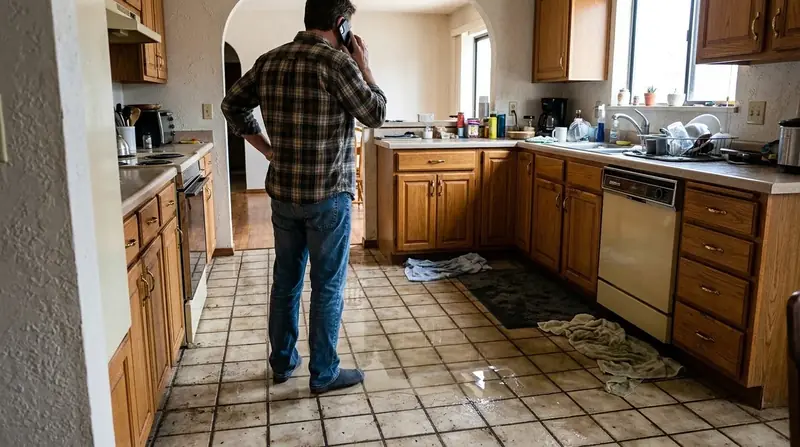
Need a real number before you decide?
A written estimate is the best way to run the math. Call (661) 592-2877 to be connected with a restoration company that serves your area. Calls are answered 24 hours a day, 7 days a week. You decide whether to file a claim or hire anyone.
Lancaster Water Damage Restoration is a free referral service, not a contractor and not an insurance company. When you call, you're connected with an independent restoration company that serves your area. That company sets its own prices. Ask it for a written estimate before you decide about a claim.
This page is general information, not legal or insurance advice. Your own policy decides what is covered. For free help, call the California Department of Insurance hotline at 800-927-4357.

Water in your Lancaster home right now?
Shut off the main water valve, then call. You will be connected with an independent restoration company that serves your area.
Free call · referral service, not a contractor