
Lancaster, CA
What to Do After Water Damage: A First-Hour Checklist
Stay safe, stop the water, then take photos before anything is moved. After that, get drying started. This checklist walks you through the first hour in a Lancaster home.
- Free callYou pay this site nothing
- Line open 24/7Calls answered day and night
- No obligationGet an estimate, then decide
- Lancaster, CAZIP 93534 · 93535 · 93536
- License check guideHow to look up a CSLB license
Free referral service, not a contractor. You are connected with an independent restoration company. How this works
What should you do immediately after water damage?
Make the house safe, shut off the water, and document the damage. Then call the people who fix the source and dry the house.
- Check for danger first. If water is near outlets, cords or the electrical panel, stay out of it. Sagging ceilings can fall, so keep away from them.
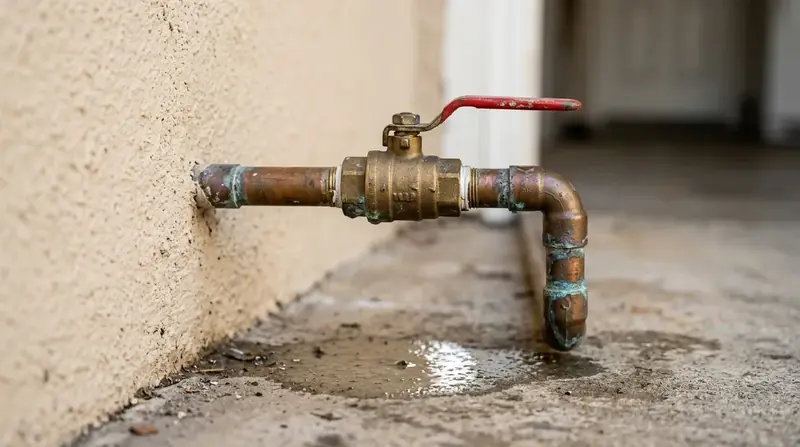
- Shut off the water. Close the main water shutoff valve, or the small valve under the leaking fixture. The next section shows where to find it.
- Deal with power only if it's safe. Turn off the breaker for the wet area only if you can reach the panel without standing in water. If you can't, leave it and call your utility or an electrician.
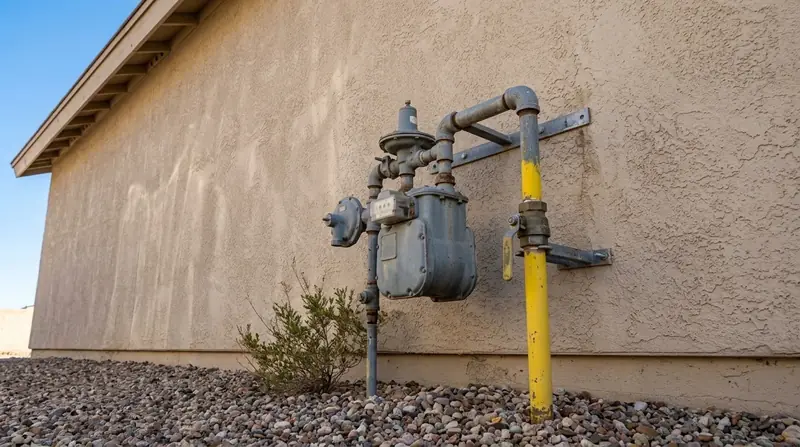
- Leave the gas alone unless you smell or hear gas. SoCalGas says to shut gas off at the meter only if you smell gas, hear it escaping or see other signs of a leak. Do it only if it's safe. Never turn it back on yourself. Call SoCalGas at 1-800-427-2200.
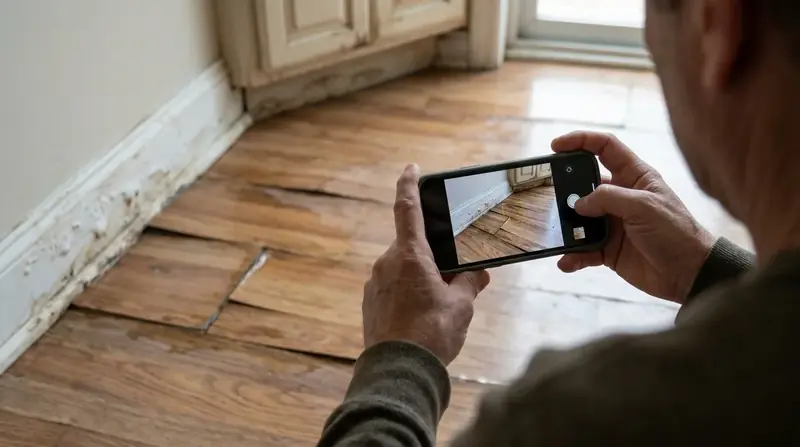
- Take photos and video. Shoot the source, the standing water and every wet room before anything is moved. Keep the broken part, like a burst supply line.
- Move what you can. Lift rugs, electronics, papers and photos off wet floors.
- Call for help. Who to call first depends on whether the water is stopped. See below.
- Get drying started. The EPA advises drying water-damaged areas and items within 24 to 48 hours to prevent mold growth.
If the water is sewage or floodwater, keep children and pets away. Don't touch it with bare hands. That water is treated as contaminated, and cleanup takes more care.
Where is the main water shutoff valve, and how do you turn it off?
It's usually where the water line enters the house. In many homes that's near the front hose bib or in the garage.
Look for a round handle or a lever on the pipe. To close a round handle, turn it clockwise until it stops. To close a lever, turn it so it sits across the pipe. If the valve is stuck, don't force it hard enough to break it.
Some homes also have a shutoff at the water meter near the street. That valve may belong to your water provider. Call them if you can't close the house valve.
For one leaking fixture, close its small shutoff valve instead. It's called an angle stop. You'll find it under the sink or behind the toilet.
A water heater usually has a cold-water valve on the pipe at the top. Close it to stop a leaking tank from refilling.
Read more: burst pipe water damage and water heater and appliance leaks.
Should you turn off the gas after a flood or leak?
Only if you smell gas, hear it escaping or see other signs of a leak, and only if it's safe. That's SoCalGas's rule. If you do shut it off, don't turn it back on yourself. Call SoCalGas at 1-800-427-2200 to have it turned back on.
Water can reach gas water heaters and furnaces in a garage or closet. If one sat in water, don't use it until a professional checks it.
What should you photograph for insurance?
Photograph the damage, the source and anything you throw away. Insurers usually want to see what happened before it was cleaned up.
Take these:
- a wide shot of each wet room
- close-ups of the source, like the split pipe or failed hose
- the water line on walls, cabinets and furniture
- damaged belongings, before you move them
- the broken part itself, which you should keep
Keep receipts for anything you spend in the first hours. That includes fans, towels, a plumber or a hotel night. The California Department of Insurance tells homeowners to keep records of all cleanup and repair costs.
Read more: water damage insurance claims in California.
Who should you call first: a plumber, your insurer or a restoration company?
If water is still leaking and you can't stop it, call a plumber first. Once the water is stopped, call your insurer and a restoration company. The order of those two depends on your situation.
A plumber finds and fixes the source, like a burst pipe, a failed water heater or a slab leak. A slab leak is a break in a water line under the concrete floor.
Your insurer should hear about the loss promptly. Report what you saw, accurately. Don't guess about the cause or how long it leaked. Ask whether the damage could be part of a homeowners insurance claim.
A restoration company removes the water and dries the building. This is called mitigation. Drying usually can't wait for an adjuster's visit. The Department of Insurance says to make temporary repairs that prevent further damage. It also advises waiting on permanent repairs until the adjuster inspects.
Read more: emergency water removal.
Ready for drying? Call (661) 555-0123 and say what leaked and which rooms are wet.
What if you came home from a trip to water damage or mold?
Follow the same steps: stay safe, shut off the water, then take photos. Then expect more damage than you can see, because the water had time to spread.
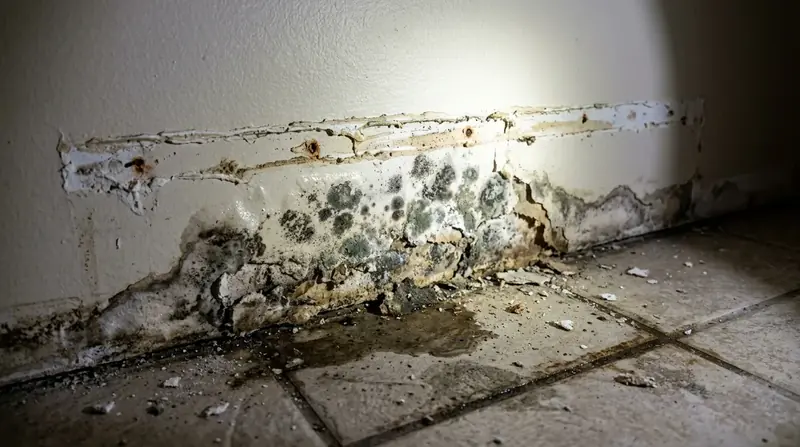
Water that sat for days often soaks into walls, cabinets and the floor underneath. A restoration company can check with moisture meters and find where it went.
If you see mold, keep the area closed off and limit time in it. The EPA says people can usually clean a moldy area smaller than about 10 square feet themselves. It suggests gloves and an N-95 respirator. For larger areas, the EPA points to its more detailed cleanup guidance and suggests hiring a contractor with mold cleanup experience.
Tell your insurer when you were away and when you found the water. If you don't know when it started, say so.
Read more: mold remediation and signs of hidden water damage and mold.
Get drying started
If the water is stopped and the photos are taken, the next step is drying. Call (661) 555-0123 to be connected with a restoration company that serves your area. Ask for a written estimate before work starts.
Lancaster Water Damage Restoration is a free referral service, not a contractor. When you call, you're connected with an independent restoration company that serves your area. That company gives you its own estimate and contract.
Water still coming in? Call (661) 555-0123. Calls are answered 24 hours a day, 7 days a week.
Water in your Lancaster home right now?
Shut off the main water valve, then call. You will be connected with an independent restoration company that serves your area.
Free call · referral service, not a contractor