
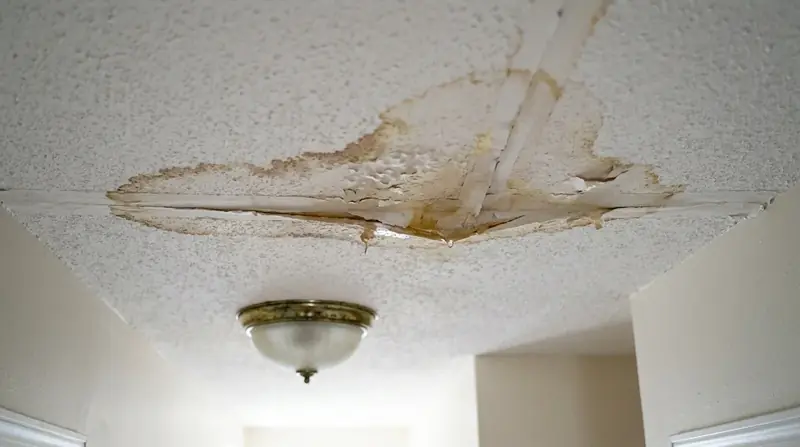
Lancaster, CA
Who Pays for Water Damage? Landlords, Tenants, Neighbors and HOAs in California
It usually depends on where the water came from and who was responsible for that part of the building. Insurance tends to follow the same lines. This guide covers renters, landlords, neighbors and condo owners in California, including Lancaster, CA.
- Free callYou pay this site nothing
- Line open 24/7Calls answered day and night
- No obligationGet an estimate, then decide
- Lancaster, CAZIP 93534 · 93535 · 93536
- License check guideHow to look up a CSLB license
Free referral service, not a contractor. You are connected with an independent restoration company. How this works
Who pays for water damage in a rental in California?
Usually the landlord pays to fix the building, and the tenant's own insurance pays for the tenant's belongings. A tenant who caused the damage through carelessness may have to pay for it.
California Civil Code section 1941.1 lists what a rental must have. That includes waterproofing of the roof and outside walls. It also includes plumbing in good working order, with hot and cold running water.
The California Department of Real Estate's 2026 tenant guide explains how this works:
- The landlord must repair conditions that seriously affect whether the home is livable.
- The landlord isn't responsible for damage caused by the tenant or the tenant's family, guests or pets.
- The tenant must repair damage they cause, other than normal wear and tear.
- Who handles less serious repairs is usually set by the rental agreement.
So a pipe that fails with age is usually the landlord's to fix. A bathtub left running is usually the tenant's problem.
What should a tenant do first?
Stop the water if you safely can, then tell your landlord right away. If it's urgent, call first and follow up in writing the same day.
The Department of Real Estate guide gives this advice for repair requests:
- Describe the damage and the repair needed.
- Date the note and keep a copy.
- For an urgent problem, call or speak in person first, then put it in writing right after.
- Certified mail with a return receipt is a good idea, though not required.
Take photos of the damage and your belongings. Then call your renters insurer if you have one.
Can a California landlord charge a tenant for water damage?
Generally only for damage the tenant caused, beyond normal wear and tear. A landlord can't charge a tenant just because a leak happened in their unit.
California Civil Code section 1929 says a renter must repair damage caused by their lack of ordinary care. The Department of Real Estate guide says a landlord may take repairs for damage beyond normal wear and tear out of the security deposit.
There's one more risk for tenants. The Department of Real Estate notes that if the landlord's insurer pays for a loss the tenant caused, that insurer may sue the tenant to get its money back. Renters insurance with liability coverage can help with that.
The unit is unlivable. What about the lease and the tenant's things?
Talk with each other in writing, and check the lease. What happens to rent and the lease depends on the lease, the damage and local rules.
The tenant's renters insurance usually covers their belongings and may pay extra living costs. The landlord's policy usually covers the building, not the tenant's things. If the tenant has no renters insurance, their belongings may not be covered at all. For legal questions about the lease, talk to a tenant or landlord lawyer or a local legal aid group.
What about mold in a rental?
California law can treat dampness and visible mold as a substandard housing condition. Our mold remediation page explains the rule and what to do.
Does renters insurance cover water damage in California?
Usually yes for your belongings, and no for the building. The California Department of Insurance says your landlord does not insure your personal property.
The Department says a renters policy may cover:
- your personal belongings in the home
- loss of use, which helps with extra living costs if you can't stay there
- personal liability, if you damage someone else's property
- medical payments to others
Its renters flyer says the coverage can help with damage from theft, fire, water backup and certain natural disasters. Flood is different. Renters policies generally don't cover flood, the Department says, and flood coverage comes from a separate policy such as the National Flood Insurance Program.
A roommate needs their own policy, the Department of Real Estate guide says. Your policy usually protects only you. Read your own policy for its water and sewer backup terms.
Your upstairs neighbor's water flooded your unit. Whose insurance pays?
Usually you start with your own policy for your unit and your belongings. Your insurer may then try to get its money back from the neighbor or their insurer if the neighbor was at fault.
That process is called subrogation. It's why you may pay your own deductible first, even when the water came from next door. Ask your insurer how it handles that.
Who is at fault depends on the facts. California Civil Code section 1714 makes people responsible for harm caused by a lack of ordinary care in managing their property. A sudden failure with no warning signs may be treated differently than a leak someone ignored.
One person on Reddit reported a $23,000 estimate after an upstairs neighbor's water heater failed. They said their insurer came up about $7,000 short. That's one self-report, not a typical case.
What to do:
- Take photos of the ceiling, walls and floor, and note the time.
- Tell the neighbor in writing, and ask for their insurer's name.
- If you rent, tell your landlord. In a condo, tell the HOA manager.
- Report the damage to your own insurer.
Your water heater leaked into a neighbor's home. Are you liable?
You may be, if the leak came from something you were responsible for and didn't take reasonable care of. The liability part of your homeowners, condo or renters policy is usually where this goes.
Tell your insurer quickly and give the facts as you know them. Let the insurers work out fault. See water heater and appliance leaks for what to do with the heater itself.
Condo or townhome: does the HOA or the owner pay?
It depends on where the damage is and what your HOA's governing documents say. Under California Civil Code section 4775, the HOA generally repairs common areas and each owner repairs their own unit, unless those documents say otherwise.
Those documents are usually called the CC&Rs, short for covenants, conditions and restrictions. They often say which pipes, walls and ceilings count as common area. Read them before you assume.
Insurance usually splits the same way. The California Department of Insurance says the association generally insures the building structure and common areas, such as corridors and walls.
A condo unit-owner's policy, often called an HO-6, covers different things. The Department says it covers your belongings, loss of use and personal liability. It also covers the inside of your unit and improvements you must maintain under the HOA's rules.
The Department also suggests loss assessment coverage. It can help pay certain charges the HOA passes on to owners after a loss to the building or common areas. Check its limit.
What to do:
- Tell the HOA manager in writing, with photos.
- Ask which policy the HOA thinks should respond.
- Ask for that answer in writing.
- Call your own insurer either way.
For a small condo ceiling leak, see is a water damage claim worth filing?
Who pays when a toilet overflows?
Usually whoever is responsible for that toilet and its drain line. In a rental, that's often the landlord, unless the tenant caused the clog or overflow.
If the overflow soaks the unit below, the neighbor rules above apply. What was in the water also changes the cleanup. See sewage cleanup for when a toilet overflow counts as contaminated water.
Insurers don't always pay the full bill. Our page on mitigation bills and insurance disputes explains what to do when the payment falls short.
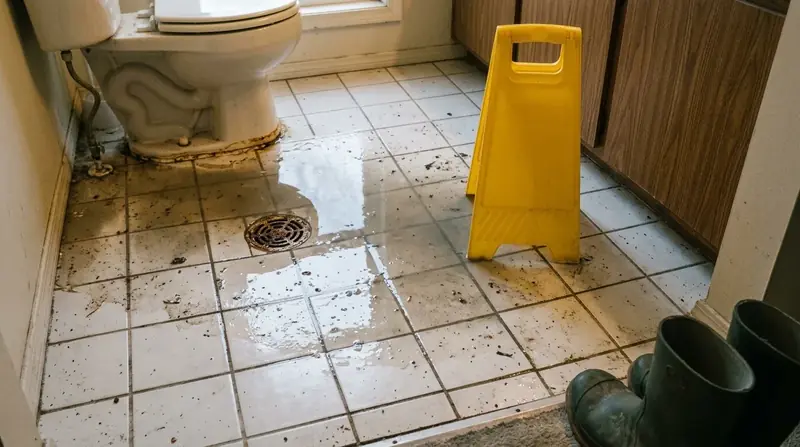
Who pays for a ceiling leak?
It depends on the source, so find that first. A ceiling leak can come from the roof, an AC condensate line, a water heater in the attic or the unit above.
- Roof in a rental: waterproofing the roof is on the landlord's list under Civil Code section 1941.1.
- Roof in a condo: check whether your CC&Rs treat the roof as common area.
- AC or water heater in the attic: usually whoever owns and maintains that equipment.
- Unit above: see the neighbor section on this page.
For how a ceiling is dried and fixed, see water damage repair.
What if you rent in central Lancaster?
You have a lot of company. In ZIP code 93534, 62.7% of homes are renter-occupied (U.S. Census Bureau, ACS 2020–2024).
Central Lancaster also has older buildings with shared walls. In 93534, 35.6% of homes are in buildings with five or more units, and 25.8% were built before 1960 (same Census data). In apartments, a leak in one unit can reach the next. See water damage help in central Lancaster.
Does drying have to wait until everyone agrees who pays?
No, and it shouldn't. The EPA advises drying water-damaged materials within 24 to 48 hours to prevent mold growth. Fault and payment can be sorted out after the water is stopped.
Report the damage, take photos and keep receipts while you wait. Our guide to water damage insurance claims in California explains what to document.
Need the water dried out?
If you own the home or the landlord has agreed, call (661) 592-2877 to be connected with a restoration company that serves your area. Calls are answered 24 hours a day, 7 days a week. Ask for a written estimate before work starts.
Lancaster Water Damage Restoration is a free referral service, not a contractor, an insurer or a law firm. When you call, you're connected with an independent restoration company that serves your area. That company sets its own prices. If you rent, talk to your landlord before you hire anyone for the building.
This page is general information, not legal or insurance advice. Your lease, your HOA's rules and your policy decide the details. For free insurance help, call the California Department of Insurance hotline at 800-927-4357.
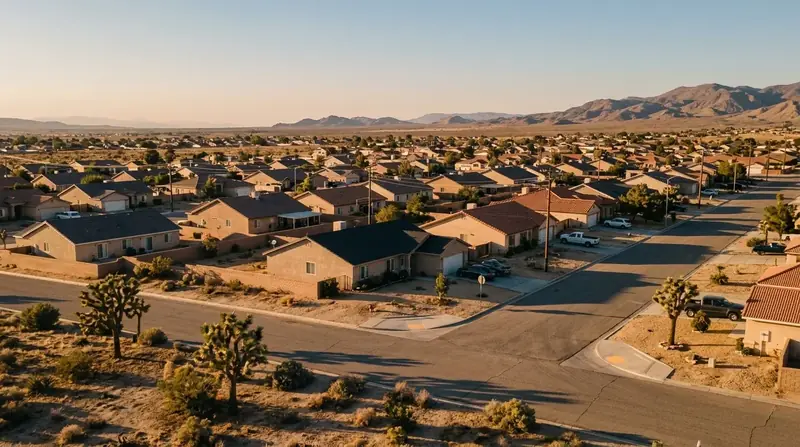
Water in your Lancaster home right now?
Shut off the main water valve, then call. You will be connected with an independent restoration company that serves your area.
Free call · referral service, not a contractor