
Water damage service · Lancaster, CA
Fire & Smoke Damage Restoration in Lancaster, CA
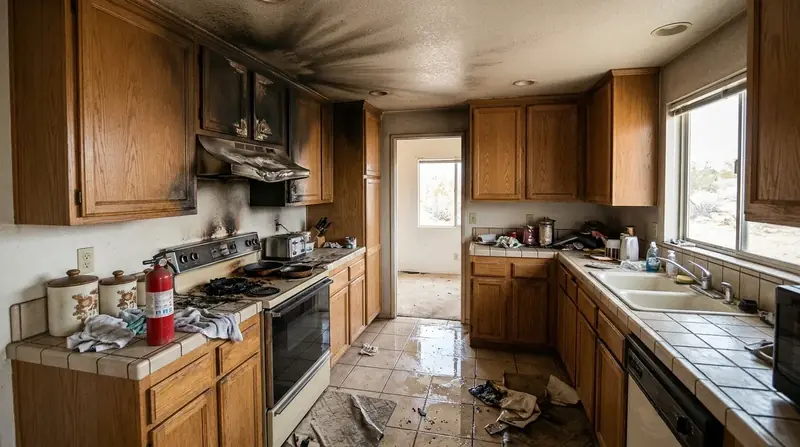
After a house fire, the damage is rarely just from flames. There is soot, smoke odor and a lot of water from the hoses. Once the fire department says the home is safe, call (661) 592-2877 to be connected with an independent restoration company that serves your area.
- Free callYou pay this site nothing
- Line open 24/7Calls answered day and night
- No obligationGet an estimate, then decide
- Lancaster, CAZIP 93534 · 93535 · 93536
- License check guideHow to look up a CSLB license
Free referral service, not a contractor. You are connected with an independent restoration company. How this works
The fire is out. Is it safe to go back inside?
Only when the fire department tells you it is safe. Even then, go in carefully, because floors and walls may be weaker than they look.
The U.S. Fire Administration gives this advice in its "After the Fire" guide (January 2019). It also says the soot and dirty water left behind may contain things that could make you sick. Be careful about what you touch.
The fire department checks the water, power and gas before it leaves. If any of them are not safe, firefighters will have them turned off or disconnected. The Fire Administration says not to turn them back on yourself.
The American Red Cross adds one more warning. If you smell gas or hear a hissing sound, leave right away. Call the fire department once you are safely away.
What should you do in the first day after a house fire?
Call your insurance company, keep the house secure, and take photos before anything is moved or thrown out. Then get help with the water and soot.
- Call your insurer. The Fire Administration says to contact your insurance company right away and ask what to do first. Ask what you should do to keep the home safe until it is repaired.
- Find a safe place to stay. The Red Cross and other relief groups can help with food, clothing, medicine and a place to sleep, the Fire Administration says.
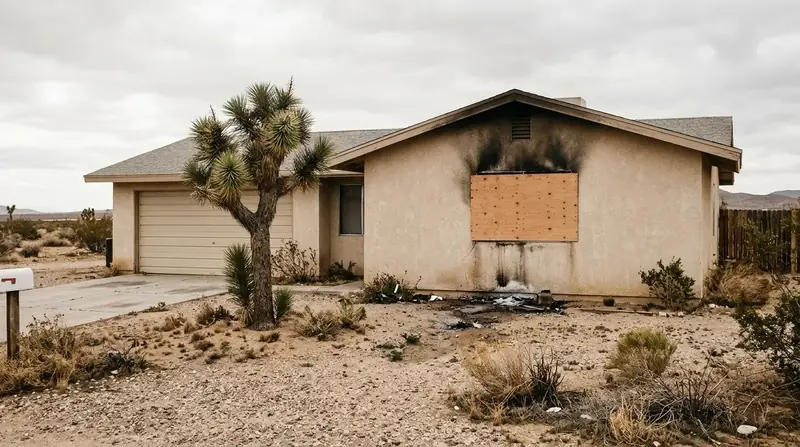
- Secure the house. Firefighters may have broken windows or cut holes in the roof. The Fire Administration guide says you may need to board up windows and doors so no one can get in. Ask the company you're connected with whether it can board up or tarp the roof.
- Tell the police the house is empty if you're staying somewhere else. The Fire Administration lists this step too.
- Take photos and video of every room and of damaged items. A FEMA fact sheet (2015) says to photograph damaged items for insurance.
- Don't throw out damaged things yet. The Red Cross says not to discard damaged goods until an inventory has been taken.
- Save every receipt. The Fire Administration says your insurer may need them later.
- Tell your landlord or mortgage lender about the fire.
House or kitchen fire just happened? Call (661) 592-2877.
Why is there so much water damage after a fire?
Because water is how firefighters put the fire out. Rooms the flames never reached can still be soaking wet.
The Fire Administration guide says items the fire didn't touch may still be ruined by smoke and soggy with water. Firefighters may also cut holes in walls to make sure the fire is not hiding inside them. That opens the house to dust and weather.
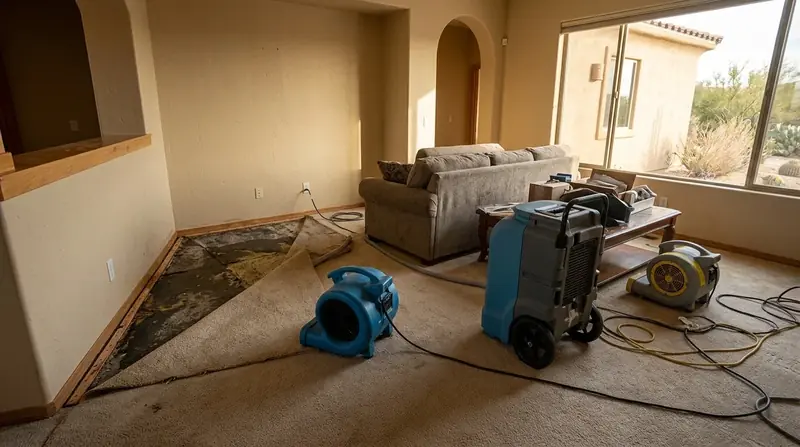
This water needs the same fast drying as a burst pipe. Wet drywall, carpet and insulation have to be dried or removed. See emergency water removal for how extraction and drying work.
Can firefighting water lead to mold?
Yes, if the house isn't dried in time. A FEMA fact sheet (2015) notes that when water is used to put out a fire, mold may also become a problem.
The EPA says to dry water-damaged areas and items within 24 to 48 hours to prevent mold growth. After a fire, that clock starts while you are still dealing with the insurer and finding a place to stay. Getting the drying started early matters. If you later notice a musty smell or spots, see mold remediation.
Can you clean soot off walls and belongings yourself?
It's usually better not to scrub soot off things you want to keep. Wiping or washing can push it deeper into the surface for good.
A FEMA fact sheet on saving family items after a fire (2015) explains why. Soot is made of very fine particles that stick to everything, and every touch grinds them in further. It is also abrasive, so it can scratch. Its advice for valued items:
- Handle soot-covered things as little as you can.
- Don't use water or any cleaning solution on them. Water drives soot further into the surface.
- Wear nitrile or latex gloves. Oils from your skin can set the greasy soot for good.
- Vacuum loose soot with a vacuum that has a high-efficiency particulate filter, on low suction, without touching the surface.
- Don't vacuum anything that is still wet. Let it dry first.
- Act soon. The longer soot stays, the harder it is to remove.
The same sheet warns that fire-damaged homes can hold asbestos, lead and chemical residues. Wear gloves, a mask and eye protection if you go in.
What does fire and smoke damage restoration involve?
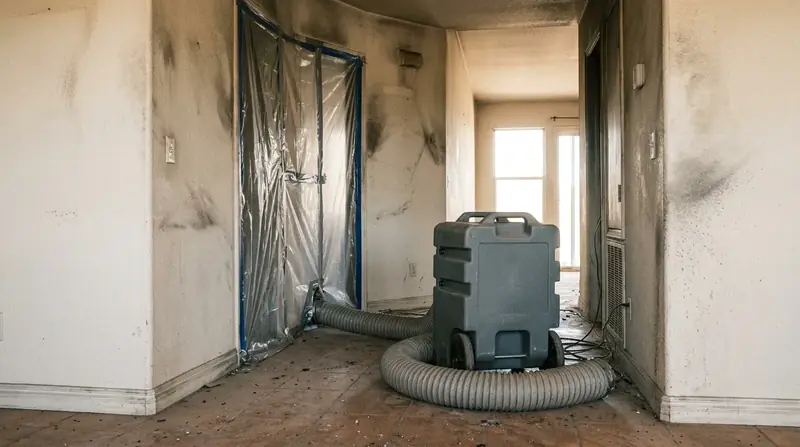
It usually covers three jobs: drying out the water, cleaning off the soot, and getting rid of the smoke odor. Burned materials are removed and rebuilt last.
The work often goes in this order:
- Securing the house. Board-up of broken windows and doors, and a tarp over any roof holes.
- Water removal and drying. Pumps and extractors pull out standing water. Air movers and dehumidifiers dry what is left.
- Removing what can't be saved. Charred drywall, soaked insulation and ruined flooring come out.
- Soot cleaning. Walls, ceilings, cabinets and floors are cleaned with methods that suit the surface. Loose soot is usually vacuumed off first.
- Ducts and the heating and air system. A 2022 training presentation from the National Air Duct Cleaners Association says soot can get into ducts, even when the system is off.
- Odor removal. Cleaning the soot off is the main step. Some odor may need more treatment after that.
- Repairs. New drywall, paint and flooring go in once the house is clean and dry. See water damage repair.
Not every fire leaves the same residue. The same duct cleaning presentation says burned meat or other protein makes little visible smoke. It can still leave an invisible film through the house. Burned plastic can leave sticky soot that takes extra work to clean.
Ask the company to explain each step and list it in a written estimate before work starts.
Is ozone safe for removing smoke odor?
Ozone can harm your health, so nobody should be in the space while it is used. Ask the company how it will keep people and pets out.
Some restoration companies use ozone machines to treat smoke odor in empty buildings. The EPA's page on ozone generators sold as air cleaners (updated February 2026) says ozone can be harmful to health. It says high ozone levels are sometimes used in empty spaces, but no person or pet should be exposed. It also says little is known about the chemical by-products these treatments leave after a fire. Ask which odor method the company plans to use and when it is safe to go back in.
What happens to your belongings and furniture?
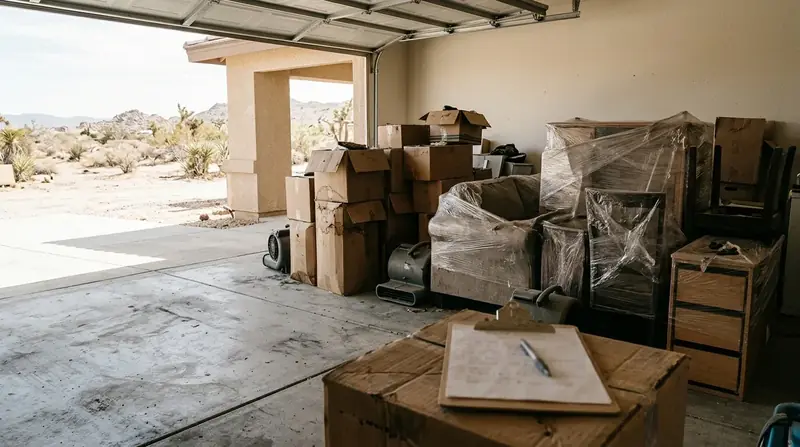
Some items can be cleaned, some need a specialist, and some have to be thrown out. Big jobs often include a contents pack-out, where belongings are boxed up, listed and cleaned somewhere else.
The Fire Administration says some companies specialize in cleaning and restoring personal items. It suggests asking your insurer whether you or the insurer will pay for that cleaning. Get a written cost estimate before you agree.
If items are packed out, ask for a written list of every box and where it is stored. Take your own photos too.
What should you throw away after a fire?
Throw away food, drinks and medicine that were exposed to heat, smoke or soot. That is the American Red Cross's advice.
Photograph them and add them to your inventory before they go out. Ask your pharmacist about replacing medicines. For prized items such as photos, papers and heirlooms, the FEMA fact sheet suggests getting advice from a conservator before you give up on them.
Does homeowners insurance cover fire and smoke damage?
Fire and smoke are commonly covered causes of loss in homeowners policies. What gets paid, and how much, depends on your policy, its limits and your deductible.
This is general information, not legal advice. Before you sign with any company, ask your insurer what it needs from you. The California Department of Insurance (CDI) advises not to make permanent repairs until the adjuster sees the damage. An adjuster is the person your insurer sends to look at the damage. You can ask your insurer for a full copy of your policy. The CDI says it must be sent free within 30 days of your request.
Will insurance pay for a hotel while you can't live at home?
Often, if the home is unlivable after a covered loss. This is called loss of use or additional living expenses (ALE). It pays for extra costs such as temporary rent, up to your policy's limit.
The CDI says ALE does not pay your mortgage or other costs you'd have anyway. The Red Cross says your insurer may give immediate help with living expenses. Keep every receipt.
California has extra rules after a declared disaster, such as a major wildfire. In that case, the CDI says, you get at least 24 months to collect ALE, even if your policy says less. It adds that an extension of up to 12 more months should be granted for delays beyond your control. The dollar limit does not go up. These time rules are tied to a declared disaster, so they may not apply to a single house fire.
For more on claims, see water damage insurance claims in California. If your insurer pushes back on a cleanup bill, see mitigation bills and insurance disputes. For claim questions, call the CDI hotline at 800-927-4357.
How do you choose a fire and smoke restoration company?
Check the contractor license, ask about training, and get a written estimate before work starts. Don't sign anything you haven't read.
The IICRC is the industry group that writes cleaning and restoration standards. It offers a certification called Fire and Smoke Damage Restoration Technician. Ask whether the technicians on your job hold it, and check on the IICRC's own locator. The IICRC also published its first fire and smoke standard, ANSI/IICRC S700, in 2025.
Questions worth asking:
- Will you dry the firefighting water first, and how will you show it's dry?
- How will you clean the soot, and which surfaces will be replaced instead?
- Which odor treatment will you use, and do we need to stay out?
- Will you pack out our belongings, and will we get a written list?
Our guide on how to choose a water damage company in Lancaster, CA covers license checks and your right to cancel. See also how this site works.
Is wildfire smoke damage different from a house fire?
Yes. A house fire brings heavy soot, burned materials and water from the hoses. Smoke from a distant wildfire is a different problem. The IICRC's S700 fire standard leaves wildfires out of its scope.
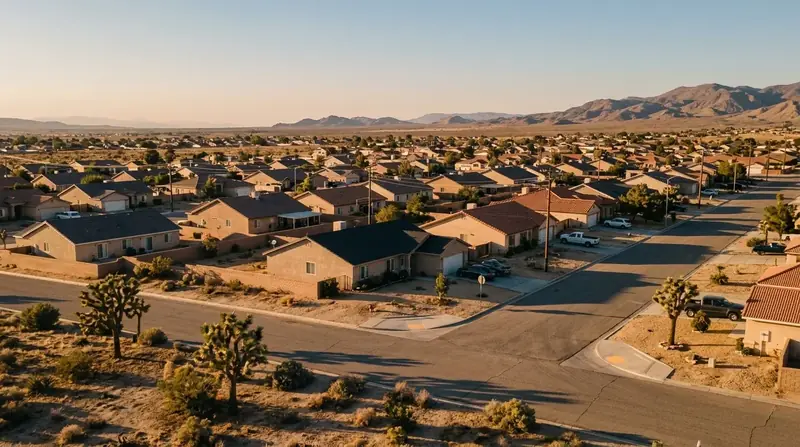
Wildfire smoke can reach Lancaster, CA from fires around the region. On June 15, 2024, the Antelope Valley Air Quality Management District issued a smoke advisory for the Antelope Valley. The smoke came from the Post Fire near Interstate 5 in Gorman.
The district's advice during smoke events:
- Keep windows and doors closed.
- Run your air conditioner if you have one.
- Don't use a swamp cooler or whole-house fan, because they pull smoke inside.
The EPA also suggests a portable air cleaner that makes little or no ozone. If smoke odor stays in the house after the fire is out, a restoration company can look at it.
Get help after a fire in Lancaster
Wait for the fire department to clear the house, call your insurer, and take photos. Then call (661) 592-2877 to be connected with a restoration company that serves your area. Ask for a written estimate before work starts.
Lancaster Water Damage Restoration is a free referral service, not a contractor. When you call, you're connected with an independent restoration company that serves your area. Your call may first be answered by a screening call center. That company gives you its own estimate, contract and license details. Check them before you sign anything.
The call is free. Calls are answered 24 hours a day, 7 days a week.
Water in your Lancaster home right now?
Shut off the main water valve, then call. You will be connected with an independent restoration company that serves your area.
Free call · referral service, not a contractor