
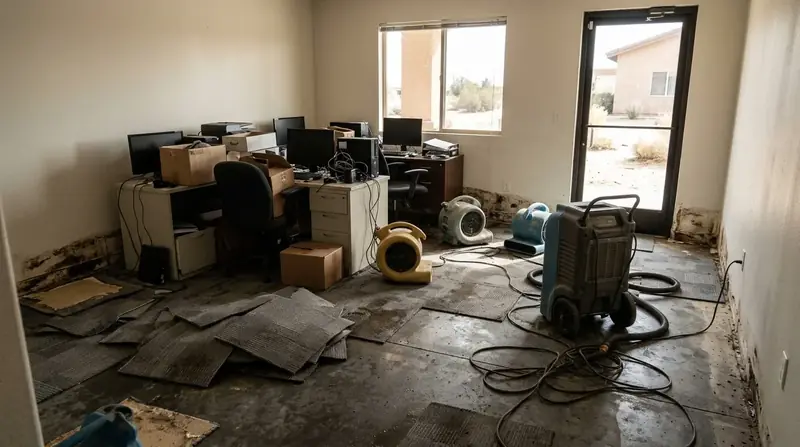
Water damage service · Lancaster, CA
Commercial Water Damage Restoration in Lancaster, CA
Water in a store, office, church or apartment building means more than a wet floor. It can close your doors and affect tenants. Stop the water if you can, and call (661) 592-2877 to be connected with an independent restoration company that takes commercial jobs in Lancaster, CA.
- Free callYou pay this site nothing
- Line open 24/7Calls answered day and night
- No obligationGet an estimate, then decide
- Lancaster, CAZIP 93534 · 93535 · 93536
- License check guideHow to look up a CSLB license
Free referral service, not a contractor. You are connected with an independent restoration company. How this works
Water is spreading through your building. What do you do first?
Stop the water, keep people safe, and start a record. Then call for help with the cleanup.
- Shut off the water. Close the main valve or the valve for that line. If a fire sprinkler is running, call your fire sprinkler contractor or the fire department. Don't shut a sprinkler system down yourself unless you know it is safe to.
- Keep people out of wet areas. Move staff, customers and tenants away from the water.
- Protect the power. Stay out of water near outlets, cords or equipment. Turn off the breaker for that area only if you can reach the panel without standing in water.
- Take photos and video of the water, the source and damaged stock or equipment. Do this before anything is moved.
- Tell the people who need to know. That means tenants in affected units, the owner or HOA, and your insurance agent.
- Call a restoration company for water extraction and drying.
Water damage gets worse with time. The EPA advises drying wet materials within 24 to 48 hours to prevent mold growth.
Water in your business right now? Call (661) 592-2877.
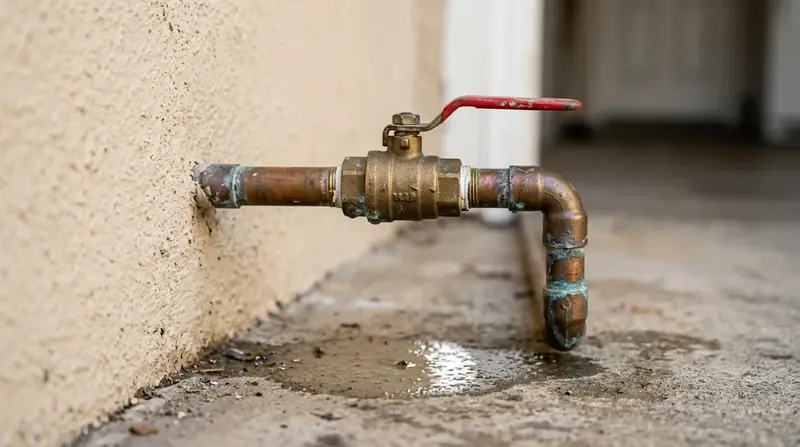
How is a commercial water damage job different from a house?
The steps are the same, but the job is usually bigger and has more moving parts. More rooms, more people and more equipment are involved.
A commercial job still starts with water extraction. That means pumping and vacuuming out standing water. Then comes structural drying, which uses fans and dehumidifiers to dry the floors, walls and framing. Moisture readings are taken each day until the materials are dry.
What changes is the scale and the planning:
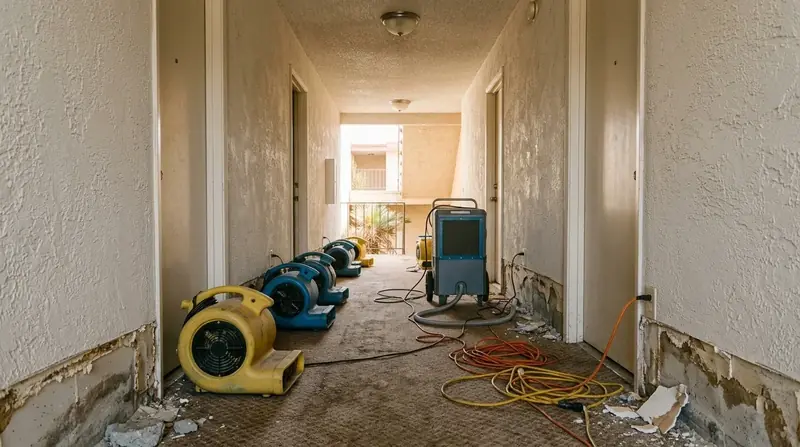
- More equipment. A large floor area may need many air movers and dehumidifiers at once. They draw a lot of power, so ask where they will plug in.
- Phased drying. The crew may dry one section at a time. That can let you keep other parts of the building open.
- Containment. Plastic sheeting can seal off the work area. It keeps dust and moisture away from the parts still in use.
- After-hours work. Some work may be possible at night or on weekends. Ask the company what it can schedule and what that costs.
- One contact person. On a big job, ask who your daily contact is and how you will get updates.
The IICRC is the industry body that writes restoration standards. Its water damage standard is called IICRC S500. Ask the company if it follows S500 on your job.
What if the water came from a fire sprinkler?
Treat sprinkler water as possibly dirty, even if it looks clear at first. Ask the restoration company how it will classify the water, and why.
Water in a fire sprinkler system can sit in the pipes for a long time. A Bay Area stormwater guide on sprinkler testing says it may stay stagnant for up to a year between flushes. It says rust and oil in the pipes can lower the water quality. The water may also pick up metals such as iron and copper. The guide says it generally contains living and dead bacteria.
That matters for cleanup. The IICRC S500 sorts water into three categories:
- Category 1: clean water, such as a broken supply line.
- Category 2: gray water, such as washing machine discharge.
- Category 3: grossly unsanitary water, such as sewage or floodwater.
We don't give a fixed category for sprinkler water. It depends on the system and how long the water sat. Have the sprinkler contractor inspect and restore the system before the building reopens.
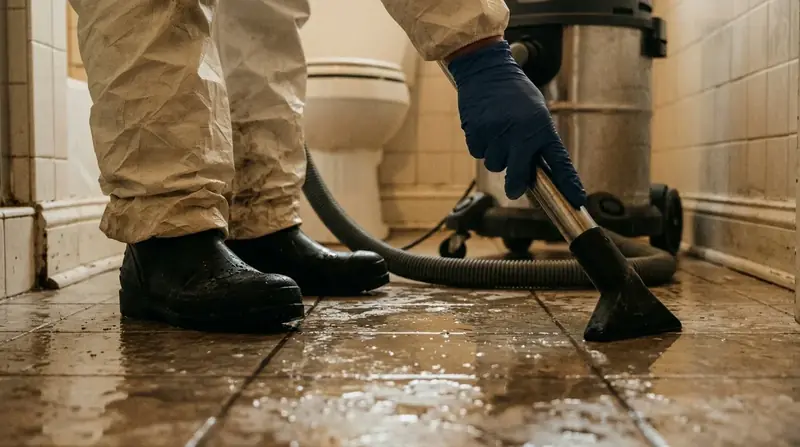
What if it's a sewer backup?
Sewage is Category 3 water. It needs containment, protective gear and disinfection, not just drying.
Stop using the water in the building. Keep staff and customers away from the area. In a restaurant or food business, keep food and food-prep surfaces away from the water. Soft, porous things that sewage soaked into, such as carpet and pad, usually have to be thrown out.
A plumber should clear the line first, so no more sewage comes in. See sewage cleanup for the full steps.
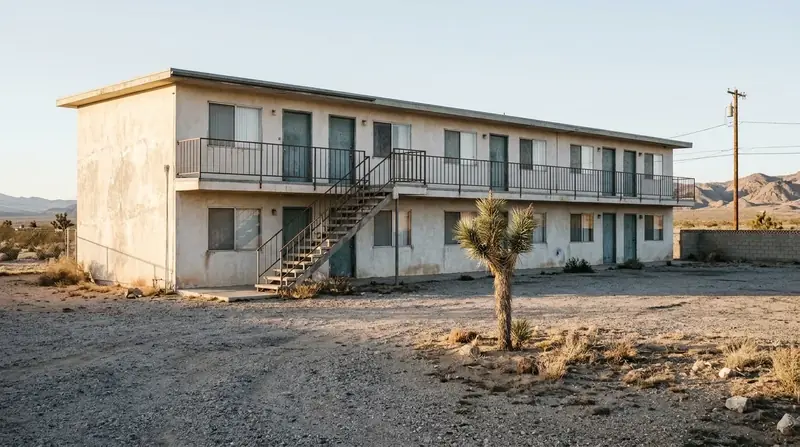
Do you manage apartments or rentals in central Lancaster?
Leaks in apartment buildings often reach more than one unit. Plan for the units next to and below the source, not just the one where it started.
Central Lancaster has a lot of apartment buildings. In ZIP code 93534, 35.6% of homes are in buildings with five or more units (U.S. Census Bureau, ACS 2020–2024). The same data shows 25.8% of homes there were built before 1960. Older plumbing in shared walls can let one leak spread.
A property manager or landlord can help a multi-unit job go faster. Here is how.
- Find the source unit and shut off water to it, or to the building if needed.
- Check the units below and beside it. Water runs down through ceilings and along floors.
- Tell tenants in writing what happened, when the crew will come and who to call.
- Ask for photos and moisture readings for each unit. Keep them separate. That helps if more than one insurer is involved.
See water damage help in central Lancaster for more on older buildings there.
Who pays for commercial water damage?
It depends on what failed, who owns it, and what your lease, HOA rules and policies say. There is often more than one insurer involved.
Here is how it often breaks down. Your own documents decide the real answer:
- The building owner's policy usually deals with the building itself.
- A business tenant's policy may cover its own stock, equipment and improvements. Check your lease. It may say who must insure what.
- In a condo or HOA building, shared pipes and common areas may fall under the HOA. Units may fall under each owner.
- Apartment tenants usually rely on renters insurance for their own belongings.
This is general information, not legal advice. Read your lease and policies, or ask your agent. Our guide on who pays for water damage explains landlord, tenant and HOA questions in more detail.
Does business interruption insurance help?
It might, if you have it and the damage is covered. Business interruption insurance usually pays for income lost when damage forces you to close. Whether it applies depends on your policy.
The Insurance Information Institute says this coverage pays for income lost when you have to leave the premises after damage. It can also pay ongoing costs, such as payroll. It says you must be covered for the physical damage that caused the closure. It also describes extra expense coverage. That pays costs above your normal expenses, so you can avoid shutting down during repairs. This is general information, not legal advice.
Call your agent early. Ask what the policy covers, what records the insurer wants, and any time limits. Keep receipts for every extra cost. If the bill and the insurance payment don't match later, see mitigation bills and insurance disputes.
Do repairs need a permit?
Some do. Who issues the permit depends on where the building is.
Inside Lancaster city limits, permits come from the City of Lancaster. The City's permits page says stopping a leak in a drain, waste or vent pipe needs no permit. Replacing a concealed pipe does. In unincorporated areas like Quartz Hill and Lake Los Angeles, permits come from LA County Building & Safety.
We have not confirmed which other repairs need a permit. Ask the company who will pull any building permit before work starts. For the rebuild side, see water damage repair.
What should you ask the company before you sign?
Ask for the scope, the paperwork and the license in writing. A commercial job can run for days, so clear terms up front matter.
- What is your CSLB license number? Look it up yourself on the Contractors State License Board website. The license page there shows bond and workers' compensation information.
- Can I see proof of insurance? You can ask for a certificate of insurance before a crew starts. Check that the business name matches the CSLB page.
- Can I get a written scope of work? It should list what will be removed, dried and cleaned.
- Will you share daily moisture readings and the drying log? That log is the proof behind each day of equipment.
- How will you keep parts of the building open? Ask about containment, phased drying and noise.
- Who is my daily contact, and how will updates reach me?
- Do you handle the rebuild, or only the drying?
Our guide on how to choose a water damage company covers more checks.
How can you prepare before a leak happens?
A little pre-loss planning saves time when water hits. Pre-loss planning means writing down what to do and who to call before anything goes wrong.
The Insurance Information Institute suggests that businesses make a disaster recovery plan. It says to find your key business activities and what you need to keep them going. Some simple steps:
- Make a shutoff map. Mark the main water valve, fire sprinkler valves and electrical panels. Keep a copy off site.
- Label valves and test them so they turn when you need them.
- Keep a contact list. Include your plumber, sprinkler contractor, insurance agent, owner or HOA, and a restoration contact.
- Keep copies of key records away from the building.
- Know your policy. Check what your property and business interruption coverage includes before you need it.
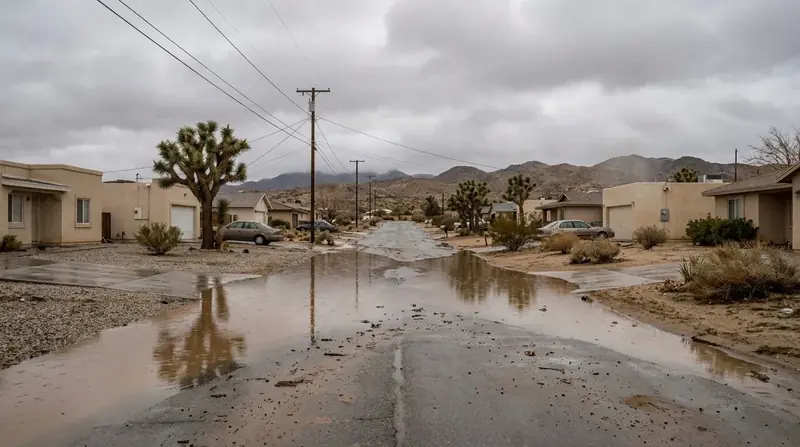
For storm season, see our Lancaster storm and flood prep guide. For water from outside after a storm, see flood damage restoration.
Get help with commercial water damage in Lancaster
Shut off the water and keep people away from the wet area. Then call (661) 592-2877 to be connected with a restoration company that serves your area. Ask for a written scope before work starts.
Lancaster Water Damage Restoration is a free referral service, not a contractor. When you call, you're connected with an independent restoration company that serves your area. Your call may first be answered by a screening call center. That company gives you its own estimate, contract and license details. Check them before you sign anything.
The call is free. Calls are answered 24 hours a day, 7 days a week.
Water in your Lancaster home right now?
Shut off the main water valve, then call. You will be connected with an independent restoration company that serves your area.
Free call · referral service, not a contractor